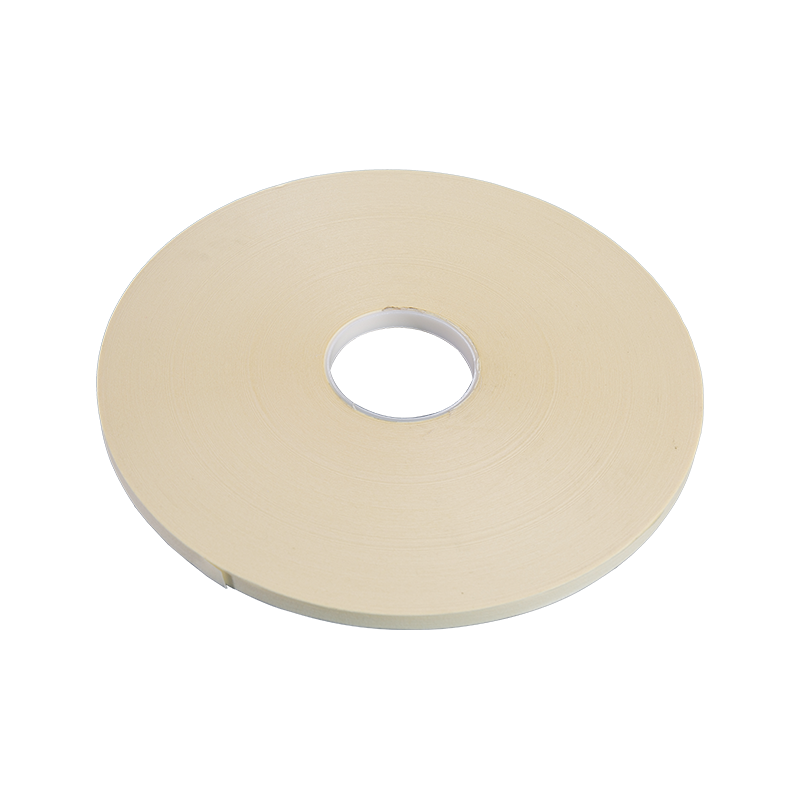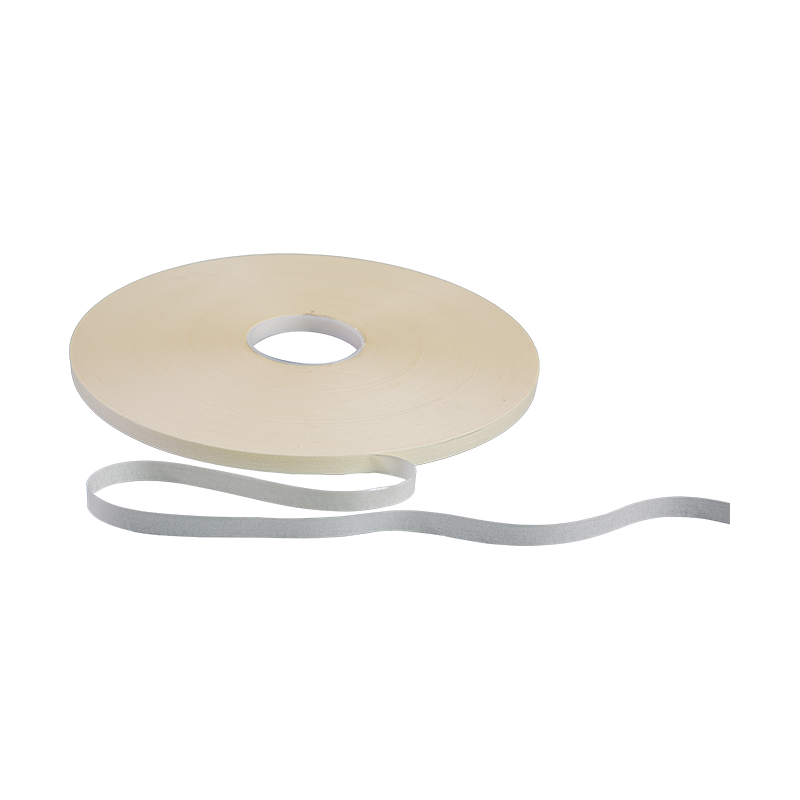
When evaluating how Hot Melt Tape differs from pressure-sensitive tape in terms of bonding strength over time, the most direct answer is simple: Hot Melt Tape typically provides higher initial tack, stronger holding power, and better long-term seal integrity in demanding packaging environments. While both adhesive systems are designed to bond surfaces effectively, Hot Melt Tape is often preferred for carton sealing and logistics applications because it can maintain a secure bond under stress, vibration, stacking pressure, and prolonged storage conditions.
Pressure-sensitive tape performs well in many general applications and offers easy application without activation. However, when packages must remain sealed throughout extended transportation and warehouse storage, Hot Melt Tape often demonstrates superior bonding stability. This advantage is particularly important in modern supply chains where cartons may travel thousands of miles and remain in storage for weeks or even months.
The difference in long-term bonding strength begins with the way each adhesive system functions.
Hot Melt Tape uses thermoplastic adhesive compounds engineered to create aggressive surface contact immediately after application. The adhesive quickly wets the carton surface, fills microscopic gaps, and forms a strong mechanical bond. This rapid adhesion helps the tape resist carton rebound forces that commonly occur after boxes are folded and sealed.
Pressure-sensitive tape relies on an adhesive that remains permanently tacky and bonds when pressure is applied. This design allows convenient application and flexibility across many surfaces. However, the bond strength may be more sensitive to environmental conditions, surface contamination, and prolonged mechanical stress.
The key distinction is that Hot Melt Tape is optimized for aggressive adhesion and holding power, while pressure-sensitive tape often emphasizes convenience and versatility.
Long-term bonding performance depends on several factors, including adhesive chemistry, environmental exposure, package weight, and storage duration. The following comparison highlights common performance differences.
| Performance Factor | Hot Melt Tape | Pressure-Sensitive Tape |
|---|---|---|
| Initial Tack | Very High | Moderate to High |
| Holding Power | High | Moderate |
| Resistance to Carton Rebound | Excellent | Good |
| Long-Term Storage | Excellent | Good |
| Heavy Package Sealing | Excellent | Moderate to Good |
Although exact performance values vary by formulation and testing conditions, many packaging evaluations show that Hot Melt Tape can maintain stronger adhesion under load and resist seal failure more effectively during long-term storage.
Many users assume that tape adhesion remains constant after application. In reality, bonding strength changes as adhesives interact with environmental conditions and mechanical forces.
Cartons placed in warehouses experience compression from stacked loads. During transportation, packages are subjected to vibration, impacts, and movement. Temperature fluctuations can cause expansion and contraction of packaging materials. These factors continuously challenge adhesive performance.
Because Hot Melt Tape develops a strong initial bond and excellent surface wetting characteristics, it often withstands these stresses more effectively. In contrast, pressure-sensitive tape may gradually lose some holding capability when exposed to prolonged stress or less-than-ideal storage conditions.
Maintaining seal integrity over weeks or months requires not only strong adhesion but also resistance to environmental degradation and carton rebound forces.
Packaging professionals often select tape based on real-world logistics requirements rather than laboratory measurements alone. For example, e-commerce fulfillment centers may process tens of thousands of packages every day. These cartons are frequently exposed to multiple handling points before reaching the final customer.
A high-quality hot melt packing tape helps reduce the risk of carton opening during transportation. The aggressive adhesive quickly secures carton flaps and maintains a strong bond throughout the shipping cycle.
Likewise, hot melt packaging tape is widely used on automated packaging lines because it develops bond strength rapidly. Fast bond formation is especially valuable when cartons move immediately from sealing equipment to palletizing systems.
For heavy-duty shipping environments, hot melt carton sealing tape is often selected because it combines strong initial tack with reliable long-term holding power. This combination helps prevent seal failure during storage and distribution.
Several environmental conditions can influence how well a tape maintains its bonding strength over time.
In many cases, Hot Melt Tape demonstrates excellent resilience under these conditions because its adhesive system is specifically engineered for packaging applications that require dependable performance over time.
Consider a warehouse storing consumer products for three months before shipment. During this period, cartons may be stacked several layers high, creating constant pressure on carton flaps. If adhesive strength decreases significantly, carton seals may begin to lift.
In another example, exported goods may spend weeks moving through distribution centers, trucks, and shipping facilities. Continuous vibration can gradually weaken poorly bonded seals. Because Hot Melt Tape provides strong immediate adhesion and high holding power, it is often better equipped to resist these challenges.
Industry testing frequently shows that aggressive hot melt adhesive systems can achieve peel adhesion values that are 20% to 40% higher than some general-purpose alternatives under comparable conditions. While actual results depend on specific formulations and test methods, the trend illustrates why Hot Melt Tape is widely trusted for demanding packaging operations.
These benefits make Hot Melt Tape one of the most commonly selected solutions for industrial carton sealing and high-volume packaging environments.
Despite the advantages of Hot Melt Tape, pressure-sensitive tape remains useful for many applications. Lightweight packaging, short-term storage, and situations requiring easy manual application may not demand the higher holding power associated with hot melt adhesive systems.
For organizations handling relatively light cartons or products with limited storage requirements, pressure-sensitive tape may provide adequate performance. The final choice should always reflect packaging weight, storage duration, transportation conditions, and operational requirements.
Hot Melt Tape differs from pressure-sensitive tape primarily by providing stronger initial tack, greater holding power, and more consistent bonding strength over time. These characteristics make it particularly valuable for packaging operations that require reliable carton sealing throughout storage, handling, and transportation.
Whether the application involves hot melt packing tape, hot melt packaging tape, or hot melt carton sealing tape, the underlying advantage remains the same: a stronger and more durable bond that helps maintain package integrity in challenging logistics environments. For businesses seeking dependable long-term sealing performance, Hot Melt Tape is frequently the preferred choice because it combines aggressive adhesion with excellent resistance to the stresses encountered throughout modern supply chains.

Copyright © Wuxi Wanfeng Protective Film Co., Ltd. All Rights Reserved.